
Why Can Gums Bleed More Easily During Pregnancy?
Quick answer: Gums may bleed more easily during pregnancy because rising estrogen and progesterone levels change how gum tissues respond to dental plaque. This increased sensitivity can cause inflammation, swelling, and bleeding even with good oral hygiene. However, bleeding can also indicate other dental problems, so recurring symptoms deserve professional assessment.
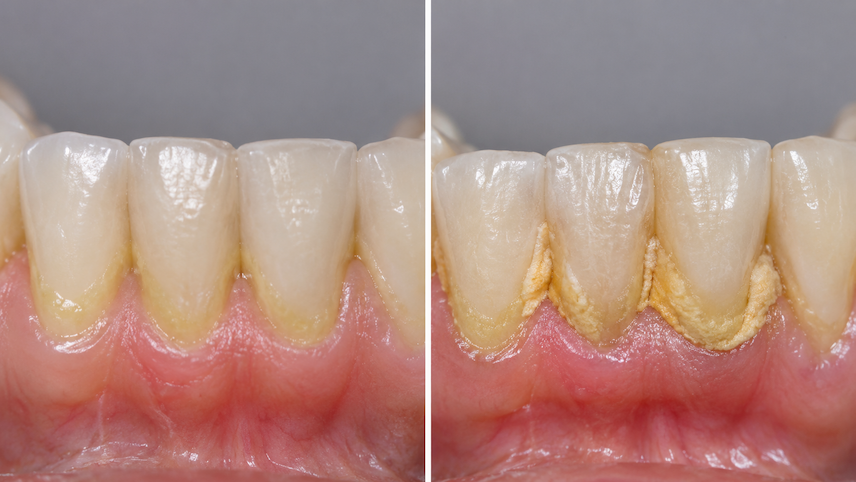
Dental plaque is a soft, sticky film of bacteria that continually forms on teeth. When it collects around the gumline, it can trigger an inflammatory response.
During pregnancy, hormonal changes can intensify that response. As a result, an amount of plaque that previously caused little noticeable irritation may lead to more obvious gum symptoms.
This does not mean pregnancy itself creates dental plaque or that every pregnant person will develop gingivitis. Plaque control remains important, but hormonal sensitivity helps explain why gums may behave differently even when your brushing routine has not changed.
According to the Public Health Agency of Canada, pregnancy gingivitis can occur between the third and ninth months of pregnancy.
Symptoms may improve following childbirth as hormone levels change. However, improvement is not guaranteed, particularly if plaque, tartar, or another gum condition remains untreated.
What Are the Signs of Pregnancy Gingivitis?
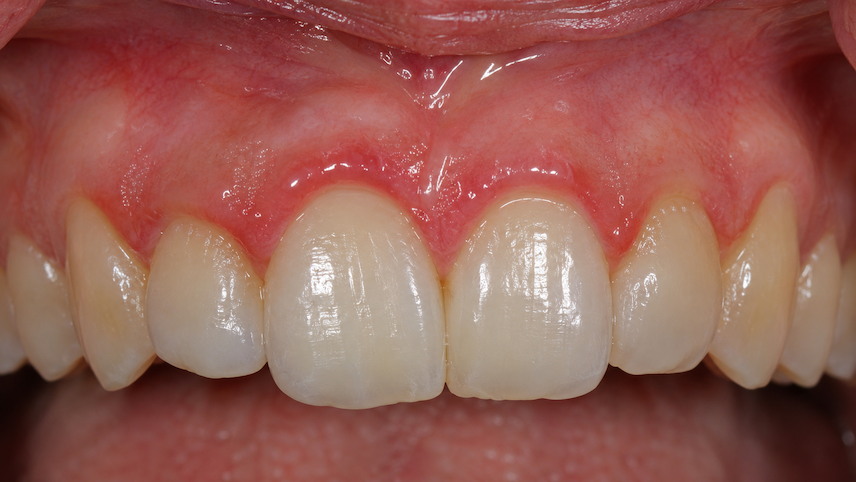
Quick answer: Common signs of pregnancy gingivitis include gums that bleed during brushing or flossing, appear redder or more swollen than usual, or feel tender. These symptoms suggest inflammation but cannot confirm the diagnosis or rule out more advanced gum disease.
Some changes are easy to notice, while others develop gradually. You might see a small amount of blood when cleaning between your teeth, notice puffiness around individual teeth, or find that areas of your gums feel uncomfortable when touched.
Gum inflammation may affect several teeth or appear more noticeable in areas where plaque accumulates. It does not necessarily cause significant pain.
Other possible signs include persistent unpleasant breath or a change in how your gums look around the teeth. These symptoms are not exclusive to pregnancy gingivitis and may have other explanations.
Can You Have Pregnancy Gingivitis Without Pain?
Quick answer: Yes. Pregnancy gingivitis can develop without significant pain. Bleeding, redness, or swelling may be the first noticeable changes. The absence of pain does not confirm that your gums are healthy or exclude periodontal disease.
This is one reason routine dental examinations remain valuable during pregnancy, even when you feel well.
Is It Pregnancy Gingivitis or Something More Serious?
Pregnancy-related gum inflammation is not the only possible explanation for bleeding gums. Gingivitis and periodontitis are different conditions, and their symptoms can overlap.
Gingivitis affects the gum tissue and does not involve the loss of supporting bone that defines periodontitis. It is generally reversible with appropriate plaque control and professional care.
Periodontitis is a more advanced inflammatory condition that can damage the tissues and bone supporting the teeth. It may cause gum recession, deep periodontal pockets, and eventually tooth mobility or tooth loss.
The following table explains what different findings may mean and what action is appropriate.
| Symptom or finding | Possible explanation | Recommended next step |
|---|---|---|
| Bleeding during brushing or flossing | Gum inflammation, including pregnancy gingivitis | Arrange a dental assessment if bleeding recurs or persists. |
| Red, swollen, or tender gums | Inflammation caused by plaque and increased gum sensitivity | Continue gentle cleaning and have the area examined. |
| Gums pulling away from teeth | Possible recession or periodontal disease | Book a prompt periodontal assessment. |
| Loose teeth or a noticeable bite change | Possible changes in supporting tissues or another dental problem | Seek prompt dental evaluation. |
| Severe localized pain, pus, or facial swelling | Possible dental infection or abscess | Seek urgent dental care. Emergency symptoms require immediate medical attention. |
These are possible explanations, not diagnoses. A dentist may need to examine the gums, measure periodontal pockets, evaluate attachment levels, and consider other clinical findings to determine whether supporting tissues are affected.
If you would like to understand the broader causes of gum bleeding outside pregnancy, read our guide to why gums bleed when brushing.
How Do Dentists Check Gum Health During Pregnancy?
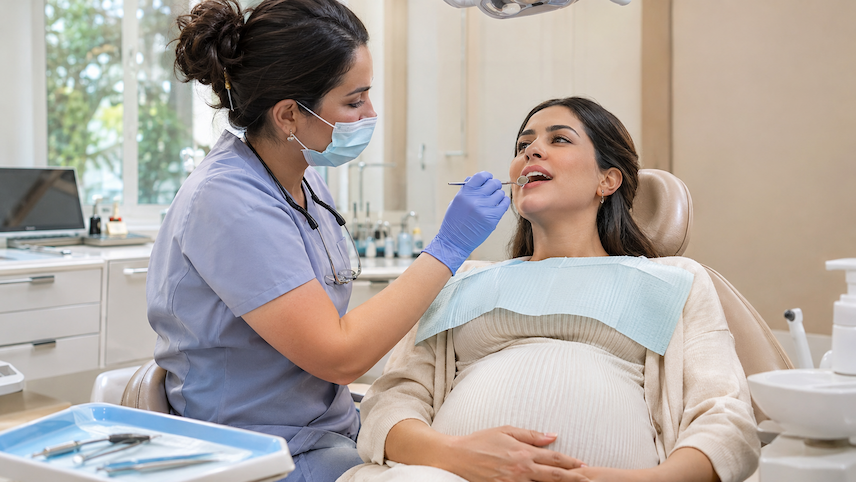
A dental examination helps distinguish temporary gum inflammation from conditions that require additional treatment. The assessment can be adapted to your medical history, pregnancy stage, symptoms, and comfort.
Your dentist may ask when bleeding started, whether it occurs spontaneously or only during cleaning, and whether you have experienced gum problems before pregnancy.
Relevant medical information includes your stage of pregnancy, medications, pregnancy-related health concerns, and any advice from your prenatal healthcare provider.
What Happens During a Gum Examination?
Depending on your symptoms and clinical needs, a gum assessment may involve:
- Looking for redness, swelling, bleeding, and visible plaque or tartar.
- Checking whether gum tissue is receding or whether individual teeth appear mobile.
- Gently measuring the spaces between the teeth and gums with a periodontal probe.
- Recording periodontal findings when appropriate to monitor gum health over time.
- Determining whether additional diagnostic evaluation or treatment is necessary.
Periodontal probing is a clinical measurement, not something to attempt at home. Inflamed gums may be sensitive, and measurements require professional interpretation.
Periodontal charting records measurements and findings around individual teeth. It can help clinicians identify patterns, monitor changes, and distinguish gingivitis from possible periodontal attachment loss.
However, a single measurement does not establish the cause of inflammation. Findings must be considered together with the overall examination and relevant dental history.
At Vancouver Stadium Community Dentist, our dental checkups include examining the gums for signs of oral health problems. Tell our team that you are pregnant when arranging your appointment so your dental care can be planned appropriately.
Is Professional Dental Care Safe During Pregnancy?
Quick answer: Yes. Routine dental examinations, professional cleanings, and necessary dental treatments are generally considered safe during pregnancy. The second trimester may be more comfortable for some appointments, but needed care should not automatically be postponed. Tell your dentist about your pregnancy, medical history, and any recommendations from your prenatal provider.
The Canadian Dental Association supports continuing appropriate dental care during pregnancy. It also recognizes that treatment planning may require adjustments according to individual circumstances.
Professional cleaning can help manage plaque and remove hardened tartar that cannot be eliminated through home brushing or flossing.
When gum inflammation is present, treatment may involve professional cleaning, improved daily plaque control, and follow-up assessment. If periodontitis is identified, additional periodontal treatment may be appropriate.
The treatment required depends on the diagnosis and severity of the condition. A routine cleaning is not a substitute for treating established periodontitis when more extensive care is necessary.
Should You Wait Until After Delivery for a Dental Cleaning?
Quick answer: No. Pregnancy alone is not a reason to postpone routine dental cleaning. Preventive dental care is generally appropriate throughout pregnancy, and delaying an assessment may allow an existing problem to worsen. Your dentist can recommend timing and adjustments based on your needs.
If you have nausea, difficulty lying back, or a complicated pregnancy, tell your dental team before the appointment. Positioning, breaks, and the treatment plan can be adjusted when clinically appropriate.
For people experiencing gum inflammation, our professional dental hygiene and cleaning services provide an opportunity to assess gum health, remove buildup, and discuss practical home-care techniques.
What About Dental X-Rays and Local Anaesthetic?
Dental X-rays and local anaesthetic may be used during pregnancy when clinically necessary. Your dentist should consider the purpose of the procedure, your medical history, and your individual pregnancy-related needs before recommending treatment.
Recommendations about dental imaging differ between professional guidance documents. The American Dental Association considers dental radiographs and local anaesthesia safe during pregnancy. The Public Health Agency of Canada takes a more cautious approach to dental X-rays during pregnancy, advising that they be limited to emergencies.
If your dentist recommends an X-ray, ask why it is needed and whether it can reasonably be postponed. For necessary treatment, the dental team should follow applicable Canadian and BC radiation-safety requirements and consider your prenatal healthcare provider’s advice when appropriate. Do not postpone assessment of a suspected dental infection or other urgent problem because you are pregnant.
How Can You Care for Your Gums During Pregnancy?
Quick answer: Brush twice daily with fluoride toothpaste and a soft toothbrush, clean between your teeth every day, and continue appropriate professional dental care. Gentle, consistent plaque removal helps manage gum inflammation. Avoid aggressive brushing or attempting to remove hardened tartar yourself.
A practical routine can make oral care easier, particularly when pregnancy-related fatigue, nausea, or increased gum sensitivity changes how comfortable brushing feels.
1. Brush Gently Along the Gumline
Brush for at least two minutes twice a day using fluoride toothpaste. A soft-bristled toothbrush can help clean effectively without unnecessary pressure on sensitive tissue.
Angle the bristles gently toward the gumline and use small, controlled movements rather than vigorous scrubbing.
Pay attention to the areas where teeth meet the gums, including the back teeth. Cleaning these surfaces consistently helps prevent plaque from remaining undisturbed.
2. Clean Between Your Teeth Daily
Flossing removes plaque from areas that a toothbrush cannot easily reach. If flossing is uncomfortable, ask your dental professional whether another interdental cleaning tool would suit your teeth and gums.
Do not force floss into the gum tissue. Guide it carefully between teeth and curve it against each tooth surface.
If your gums bleed, avoid abandoning interdental cleaning solely because of the bleeding. Instead, use a gentle technique and arrange an assessment to identify the cause.
3. Protect Your Teeth After Morning Sickness
Nausea and vomiting can make regular oral hygiene more difficult. Stomach acid can also temporarily soften the outer surface of teeth and increase the risk of enamel erosion.
After vomiting, rinse your mouth with water to help clear the acid. Wait at least 30 minutes before brushing, as recommended by the Public Health Agency of Canada.
If morning sickness makes toothpaste difficult to tolerate, discuss suitable adjustments with your dental professional rather than giving up on brushing for extended periods.
4. Be Mindful of Frequent Snacking
Eating more frequently during pregnancy may be necessary or helpful for managing nausea. However, frequent exposure to sugary foods and drinks can increase the risk of tooth decay.
When possible, choose balanced snacks and drink water regularly. Avoid treating gum bleeding by restricting necessary food intake or making major dietary changes without appropriate prenatal advice.
5. Ask Before Using Medicated Mouthwashes
A mouthwash is not a replacement for brushing, interdental cleaning, or professional treatment.
Some antimicrobial rinses may be recommended for particular oral health conditions, but product selection and duration of use should be discussed with a dental professional, especially during pregnancy.
Do not start prescription oral-care products or use concentrated home remedies without professional guidance.
When Should You See a Dentist for Bleeding Gums During Pregnancy?
Quick answer: Arrange a dental appointment if your gums bleed repeatedly, remain swollen, become increasingly tender, or develop other persistent changes. Seek prompt evaluation for loose teeth, gum recession, or worsening pain. Significant facial swelling, fever with dental infection symptoms, or difficulty swallowing or breathing requires urgent care.
There is no need to wait for a routine cleaning date if new or worsening symptoms appear.
Although pregnancy can explain increased gum sensitivity, it does not establish that bleeding is harmless. Persistent symptoms may reflect plaque-related inflammation, periodontal disease, or another condition requiring assessment.
What Symptoms Should Not Be Dismissed as Pregnancy-Related?
Pay particular attention to symptoms that are new, persistent, or progressively worsening:
- Bleeding that occurs without brushing or flossing.
- Repeated bleeding that does not improve despite careful oral hygiene.
- Persistent gum swelling or localized pain.
- Gums that appear to be receding from the teeth.
- Tooth mobility or changes in how your teeth fit together.
- A new gum lump, particularly one that grows, bleeds easily, or interferes with eating.
- Pus, a bad taste associated with a painful area, or signs of infection.
Some pregnant people develop a localized inflammatory gum growth known as a pregnancy epulis or pyogenic granuloma. Despite sometimes being called a “pregnancy tumour,” this type of growth is usually benign. However, a new lump needs professional examination because its appearance alone cannot establish the diagnosis.
For severe swelling, fever, or suspected dental infection, seek urgent dental assessment. If swelling is accompanied by difficulty breathing or swallowing, seek emergency medical care immediately.
Does Pregnancy Gingivitis Affect Your Baby?
Quick answer: Pregnancy gingivitis does not mean your baby will be harmed. Research has found associations between more advanced periodontal disease and certain adverse pregnancy outcomes, but these findings do not prove that gum disease directly causes them. Maintaining oral health and treating dental problems remain important parts of pregnancy care.
Studies have examined possible relationships between periodontitis, premature birth, and low birth weight. However, interpreting these relationships is complicated because many health, behavioural, and social factors can influence pregnancy outcomes.
The Public Health Agency of Canada acknowledges the association while explaining that the underlying relationship is not fully understood.
Importantly, evidence does not establish that treating periodontal disease during pregnancy will prevent premature birth or low birth weight.
For expectant parents, the practical takeaway is to avoid unnecessary worry while taking gum symptoms seriously. Dental treatment is intended to protect your oral health, manage inflammation or infection, and support your overall well-being.
Will Pregnancy Gingivitis Go Away After Giving Birth?
Quick answer: Pregnancy-related gum inflammation often improves after childbirth as hormone levels change. However, symptoms may persist if plaque, tartar, or periodontal disease remains present. Continued bleeding, swelling, or tenderness after delivery should be assessed by a dental professional rather than assumed to resolve on its own.
The postpartum period can make regular dental visits and daily self-care harder to maintain. If you experienced significant gum symptoms during pregnancy, ask your dentist whether a follow-up examination would be beneficial.
If periodontitis was diagnosed, ongoing periodontal care may be necessary even after pregnancy-related hormonal changes have settled.
Take Care of Your Gums Throughout Pregnancy
Pregnancy can change how your gums respond to everyday plaque, but you do not have to guess whether bleeding or swelling is normal for you.
At Vancouver Stadium Community Dentist, we welcome patients seeking preventive dental care and gum-health assessments at our Downtown Vancouver clinic near Stadium–Chinatown.
If you are pregnant and have noticed changes in your gums, contact our team to arrange a dental appointment and discuss your concerns.
This article provides general oral-health education and is not a substitute for an individual dental or medical assessment. Dental care during pregnancy should be adapted to your clinical needs and relevant prenatal medical advice.