
Which Daily Habits Make the Biggest Difference to Plaque Control?
Quick answer: The most important daily oral hygiene habits are brushing twice a day with fluoride toothpaste, cleaning between your teeth once a day, and using gentle, thorough techniques. Limiting frequent sugary snacks and drinks also helps protect your teeth. Regular dental assessments remain important because home care cannot remove hardened tartar or diagnose gum disease.
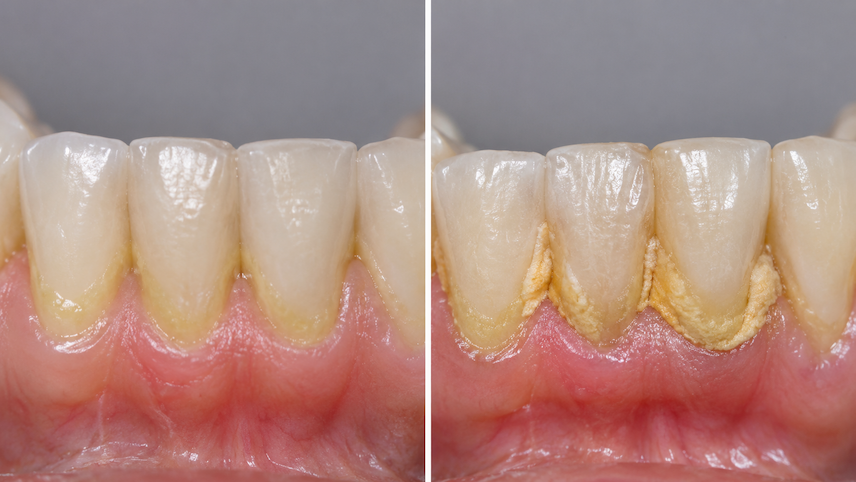
Plaque is a sticky film of bacteria that continually forms on your teeth. When it is not removed effectively, bacteria can contribute to tooth decay and inflammation around the gums. Over time, some plaque can harden into tartar, also called dental calculus, which requires professional removal.
The Canadian Dental Association recommends consistent brushing and interdental cleaning as essential parts of preventive oral care. The goal is not to make your mouth completely free of bacteria. It is to control plaque before it contributes to dental problems.
Build an Effective Oral Hygiene Routine Step by Step
A good routine should be simple enough to follow consistently. The following steps cover the main areas of daily care without adding unnecessary products or complicated procedures.
Step 1: Brush Twice a Day With the Right Technique
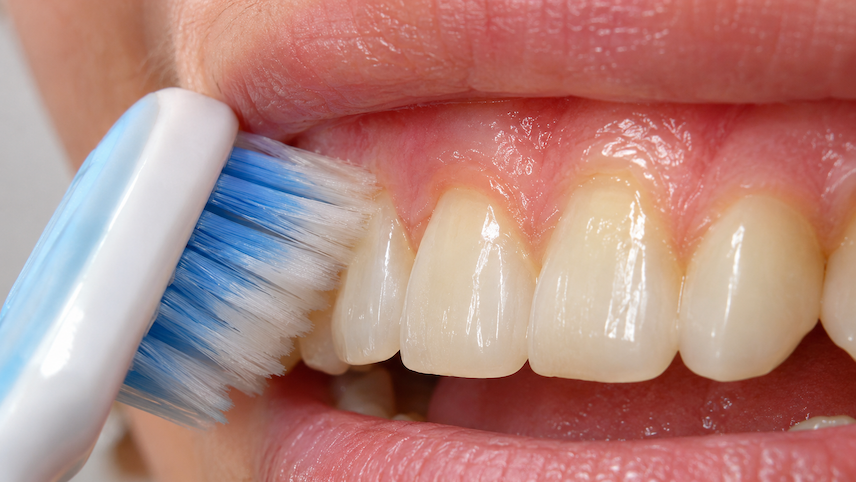
Quick answer: Brush your teeth for at least two minutes, twice daily, using a soft-bristled toothbrush and fluoride toothpaste. Clean the outer, inner, and chewing surfaces of every tooth, paying particular attention to the gumline. Use gentle pressure rather than forceful scrubbing. Brushing before bed is especially important.
Whether you choose a manual or electric toothbrush, technique matters. The Canadian Dental Association recommends the following approach:
- Place your toothbrush at approximately a 45-degree angle where the teeth meet the gums.
- Use gentle, small circular movements along the gumline.
- Move systematically around your mouth so you do not skip any teeth.
- Brush the inside surfaces, including the backs of the front teeth.
- Clean the chewing surfaces of your molars, where grooves can trap plaque.
- Spit out excess toothpaste when finished rather than immediately rinsing thoroughly with water.
Dividing your mouth into four sections and spending approximately 30 seconds on each can make the routine easier to follow.
If your toothbrush bristles become flattened or spread outward quickly, you may be applying too much pressure. Hard scrubbing can irritate gums and contribute to tooth wear over time.
Step 2: Clean Between Your Teeth Every Day
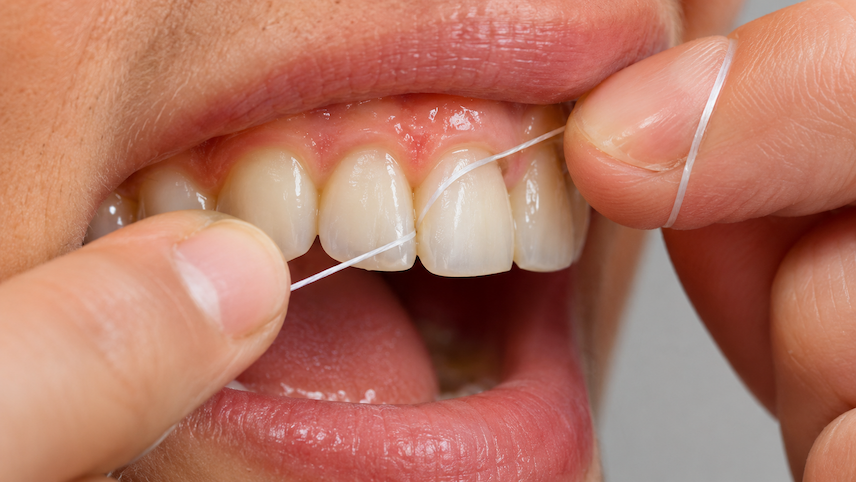
Quick answer: Clean between your teeth once daily using dental floss or another suitable interdental cleaner. These tools remove plaque from surfaces that an ordinary toothbrush cannot effectively reach. Traditional floss is useful for tight contacts, while interdental brushes or other devices may be more suitable for certain gaps, bridges, braces, or dental conditions.
If you use traditional floss, slide it gently between your teeth rather than snapping it against the gums. Curve the floss into a C shape around one tooth, move it carefully along the side of the tooth and slightly beneath the gumline, then repeat against the neighbouring tooth.
Use a clean section of floss as you move through your mouth. Do not forget the back surfaces of your last molars.
If ordinary floss is difficult to handle, ask your dentist or dental hygienist about alternatives. A tool that you can use correctly and consistently is generally more useful than one that sits unused in your bathroom.
Step 3: Gently Clean Your Tongue
Your tongue has small surface structures that can collect food residue and bacteria. Gently cleaning it with your toothbrush or a tongue scraper can help reduce some sources of unpleasant breath.
Move gently from the back of the tongue toward the front, without pressing hard enough to cause discomfort. You do not need to scrape repeatedly or attempt to remove the tongue’s natural surface texture.
If unpleasant breath persists despite good oral hygiene, the cause may involve gum disease, dry mouth, dental decay, or another condition. Learn more in our guide to persistent bad breath and its possible causes.
Step 4: Choose Fluoride Toothpaste for Your Needs
Fluoride helps protect tooth enamel and supports remineralization, the process that replaces minerals lost during early acid attacks. Fluoride toothpaste is an important part of daily cavity prevention.
Most adults can use regular fluoride toothpaste. If you have frequent cavities, dry mouth, exposed tooth roots, or other risk factors, your dentist may recommend additional fluoride protection based on your needs.
Children need different amounts of toothpaste depending on their age and risk of tooth decay:
- Under age 3: Ask a dental professional to assess cavity risk. If fluoride toothpaste is recommended, an adult should use an amount about the size of a grain of rice. For children assessed as low risk, the Canadian Dental Association recommends brushing with water only.
- Ages 3 to 6: Use a pea-sized amount of fluoride toothpaste. An adult should assist with brushing and encourage the child to spit out the toothpaste.
- Older children: Continue using fluoride toothpaste with age-appropriate brushing supervision and guidance from their dental professional.
For more information, see the Canadian Dental Association’s fluoride guidance for children.
Manual Toothbrush, Electric Toothbrush, or Interdental Brush?
There is no single cleaning tool that is best for everyone. Your choice should depend on your oral health, dental work, ability to reach different areas, and how comfortably you can use the device.
| Oral Care Tool | Best Use | Important Consideration |
|---|---|---|
| Manual toothbrush | Everyday cleaning of tooth surfaces | Effective when used with correct technique and gentle pressure |
| Electric toothbrush | Everyday brushing, especially when manual technique or dexterity is challenging | Follow the brush-head instructions and avoid excessive pressure |
| Dental floss | Cleaning tight spaces between teeth | Requires careful technique to avoid injuring the gums |
| Interdental brush | Cleaning suitably sized spaces between teeth and around certain dental appliances | The correct brush size matters; never force one into a tight gap |
| Water flosser | An alternative or additional interdental cleaning option for some patients | Follow device instructions and seek advice about whether it adequately meets your cleaning needs |
| Tongue scraper | Removing surface debris from the tongue | Use light pressure to avoid irritation |
Electric and manual toothbrushes can both be effective. An electric model may help if you struggle to maintain a consistent brushing motion or reach certain teeth. However, purchasing a more expensive toothbrush does not automatically produce better oral health.
Likewise, water flossers and interdental brushes are not universal replacements for traditional floss. Their suitability depends on the spaces between your teeth and your clinical needs.
What Should Your Morning and Evening Routine Look Like?
Use this morning and evening schedule as a practical example. You can adjust the timing to fit your day, provided you brush twice daily and clean between your teeth once a day.
Morning: Prepare Your Mouth for the Day
- Brush thoroughly with fluoride toothpaste.
- Gently clean your tongue if needed.
- Drink water regularly, especially if your mouth tends to feel dry.
- Choose meals and snacks with dental health in mind.
If you prefer brushing after breakfast, avoid brushing immediately after acidic foods or drinks. Allow time for your saliva to help protect your enamel before brushing. Waiting about an hour after acidic foods or drinks is a cautious approach. Brushing before breakfast is another practical option.
Evening: Focus on Thorough Plaque Removal
- Clean between your teeth using your preferred interdental tool.
- Brush all tooth surfaces with fluoride toothpaste.
- Spit out excess toothpaste without immediately rinsing it away.
- Avoid sugary food or drinks after your final brushing.
You can floss before or after brushing. The American Dental Association notes that either order is acceptable when cleaning is thorough. Choose the sequence you are most likely to maintain.
For people with irregular schedules, such as shift workers or parents of young children, it can help to associate brushing with waking up and going to sleep rather than particular clock times.
How Do Food and Drinks Affect Oral Hygiene?
Brushing is important, but the frequency of sugar and acid exposure also influences your risk of tooth decay and enamel erosion.
Bacteria in dental plaque use fermentable carbohydrates, including sugars, to produce acids. These acids can contribute to mineral loss from enamel. Repeated snacking and sipping sugary beverages can create frequent acid attacks, even when the total amount consumed seems modest.
Consider the following adjustments:
- Choose plain water as your main everyday drink.
- Limit how often you consume sugary snacks and beverages.
- Try to have sweet foods with meals rather than grazing on them throughout the day.
- Avoid slowly sipping acidic drinks over long periods.
- Rinse your mouth with water after acidic food or drinks and wait before brushing.
These habits support plaque control and enamel protection, but they do not replace brushing, interdental cleaning, or dental assessments.
Does Mouthwash Improve Your Oral Hygiene Routine?
Quick answer: Mouthwash can be a useful addition to daily oral care, but it does not replace brushing with fluoride toothpaste or cleaning between teeth. Whether you need a rinse depends on your oral health goals. Fluoride rinses may help some patients prevent cavities, while therapeutic antibacterial rinses should be chosen based on professional advice.
Not all mouthwashes serve the same purpose. Cosmetic rinses mainly provide temporary breath freshness. Therapeutic rinses contain ingredients intended to address specific concerns, such as decay prevention or plaque-related inflammation.
If your dentist recommends a rinse, follow the product instructions and any timing advice. Using mouthwash immediately after brushing may wash away some of the concentrated fluoride left by your toothpaste. A separate time of day may be preferable.
Avoid using strong antiseptic or prescription rinses indefinitely without professional direction. Some products have restrictions or potential side effects, and the right choice depends on your medical history and oral condition.
Common Oral Hygiene Mistakes to Avoid
Some habits feel helpful but may damage your teeth or gums or create a false sense of cleanliness.
- Brushing too hard: More pressure does not necessarily remove more plaque. Aggressive brushing can contribute to gum irritation and tooth wear.
- Skipping hard-to-reach areas: The back molars, inner tooth surfaces, and spaces between teeth still need daily attention.
- Using hard or worn bristles: Replace your toothbrush or brush head approximately every three months, or sooner if the bristles become frayed.
- Scraping away tartar at home: Do not use sharp metal tools or improvised instruments to remove hardened deposits. They can injure gums and damage teeth.
- Using abrasive whitening remedies: Charcoal powders, aggressive scrubbing, and acidic home whitening mixtures can expose teeth to unnecessary risks.
- Relying on mouthwash alone: A fresh taste does not indicate that plaque has been effectively removed.
- Ignoring continuing symptoms: Bleeding, pain, swelling, or ongoing sensitivity should not simply be managed with stronger cleaning products.
If you have a night guard, retainer, denture, or other removable dental appliance, follow the specific cleaning instructions for that device. Cleaning products suitable for one material may damage another. Do not assume that hot water, bleach, alcohol, or denture-cleaning tablets are safe for every appliance.
How Should Oral Hygiene Change With Braces, Crowns, or Gum Disease?
The general principles of oral hygiene remain consistent, but certain dental conditions make plaque removal more challenging.
Braces and Orthodontic Appliances
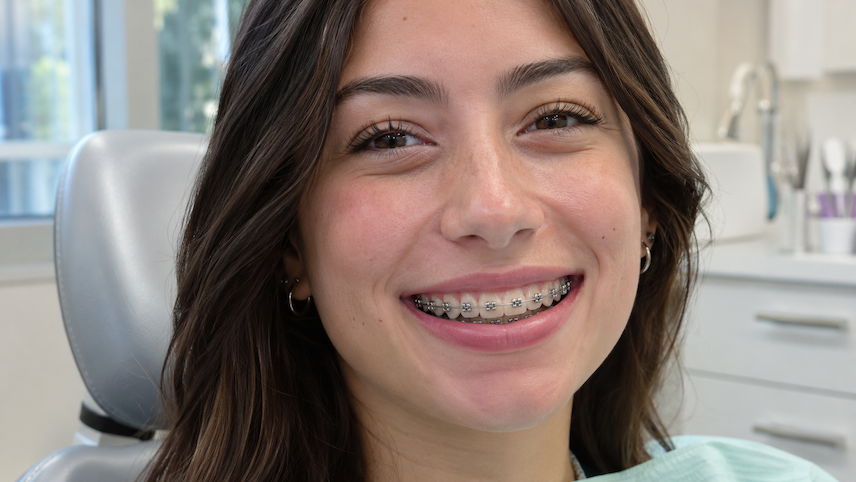
Fixed braces create additional areas where food and plaque can collect. Orthodontic brushes, appropriately sized interdental brushes, or floss-threading tools may help clean around brackets and beneath wires.
If you wear removable clear aligners, clean your teeth before reinserting them whenever practical and follow the appliance manufacturer’s cleaning instructions.
Crowns, Bridges, and Dental Implants
Restorations still require careful cleaning. Plaque can accumulate where crowns meet natural teeth, beneath bridge replacements, and around implant-supported restorations.
Specialized floss, interdental brushes, or other tools may be recommended depending on the restoration’s design. Avoid forcing cleaning devices around dental work, particularly if they catch, fray, or cause discomfort.
Gingivitis and Periodontitis
Gingivitis is inflammation of the gums that can often improve with effective plaque control and appropriate professional care. Periodontitis is a more advanced condition involving damage to the tissues supporting the teeth, including potential bone loss.
Daily oral hygiene helps manage plaque, but it cannot reverse bone loss caused by periodontitis. People with periodontal disease may need professional treatment, individualized home-care techniques, and ongoing maintenance appointments.
If you have previously received periodontal treatment, follow your dental professional’s specific maintenance instructions rather than relying only on a general brushing routine.
When Does Your Oral Hygiene Routine Need Professional Support?
Quick answer: Arrange a dental assessment if your gums bleed repeatedly, remain swollen, or are painful, particularly when symptoms persist despite gentle daily cleaning. Also seek advice for recurring bad breath, tooth sensitivity, gum recession, or persistent discomfort. Severe swelling, fever with dental symptoms, or uncontrolled bleeding requires more urgent assessment.
Symptoms can have different causes, so their presence alone does not establish a diagnosis. Use the following guide to decide on a reasonable next step.
| What You Notice | Recommended Next Step |
|---|---|
| Mild bleeding when restarting flossing | Continue cleaning gently without snapping the floss against your gums. Arrange a dental assessment if the bleeding persists, recurs, or concerns you. Seek earlier advice if bleeding is frequent, worsening, or accompanied by swelling or pain. |
| Repeated bleeding or swollen gums | Arrange a dental assessment rather than assuming the problem is caused by brushing technique. |
| Persistent bad breath despite thorough cleaning | Book an examination to investigate possible oral causes. |
| Visible hardened deposits near the gums | Arrange a professional cleaning. Do not attempt to scrape them off at home. |
| Loose adult teeth, gum recession, or increasing spaces between teeth | Seek a prompt dental evaluation for possible periodontal or other dental problems. |
| Rapidly increasing facial swelling, fever with dental swelling, or severe infection symptoms | Seek urgent care. Difficulty breathing or swallowing requires emergency medical attention. |
If you want to understand why your gums bleed, our article on bleeding gums when brushing explains the possible causes and warning signs in greater detail.
Why Professional Dental Cleanings Still Matter
Even an excellent home-care routine has limitations. Once plaque hardens into tartar, ordinary brushing and flossing cannot reliably remove it. Deposits may also accumulate in areas that are difficult to see or reach.
Professional dental hygiene appointments allow the dental team to remove deposits, evaluate gum health, and identify areas where your home-care technique could be improved.
At Vancouver Stadium Community Dentist, our dental hygiene and cleaning services in Downtown Vancouver include professional cleaning and guidance on maintaining healthy teeth and gums.
Dental cleaning intervals should reflect your individual risk factors, existing oral health conditions, plaque and tartar accumulation, and previous dental history. Some patients need more frequent care than others. An examination can help establish an appropriate schedule.
How Can You Make Better Oral Hygiene Habits Stick?
The most effective oral hygiene routine is one that you can maintain over time. Small changes are often easier to sustain than attempting to change everything at once.
Start by setting aside enough time to brush thoroughly. Keep your floss or interdental cleaner beside your toothbrush so it becomes part of the same routine. If you regularly forget an area, use a consistent brushing order instead of moving randomly between teeth.
If you struggle with hand mobility, a powered toothbrush or adapted handle may make daily care easier. If traditional flossing feels difficult, request a demonstration of a different cleaning tool rather than abandoning interdental cleaning altogether.
Pay attention to whether your technique is comfortable and whether you can maintain it without excessive pressure. Your dental hygienist can help identify areas that need more attention and suggest appropriate adjustments.
Take the Next Step Toward Better Oral Health
Improving your oral hygiene starts with consistent habits, suitable cleaning tools, and knowing when professional care is needed. If you are unsure whether your routine is effective or are overdue for a cleaning, a dental appointment can help you identify your next steps.
Contact Vancouver Stadium Community Dentist to arrange a dental hygiene appointment at our Downtown Vancouver clinic near Stadium–Chinatown.
This article is for general educational purposes and does not replace a personalized dental examination, diagnosis, or treatment recommendation.