Should Everyone Get a Dental Checkup Every Six Months?
Quick answer: No. A dental checkup every six months is common, but it is not a universal requirement. The Canadian Dental Association recommends scheduling examinations according to individual oral health needs. Your dentist may suggest shorter or longer intervals based on your risk of tooth decay, gum condition, medical history and how your oral health changes over time.
The six-month schedule offers a practical starting point for many patients. However, the purpose of a dental examination is to assess your current oral health and identify problems that might not yet cause discomfort. The amount of monitoring you need can change as your health and circumstances change.
A Cochrane systematic review examined research comparing six-month, risk-based and longer dental recall intervals. Among adults who regularly attended dental care, the review found little to no difference in several measured outcomes between six-month and risk-based recall over four years. These outcomes included tooth decay, gum bleeding and oral-health-related quality of life.
The findings support individualized recall decisions, but they do not establish one ideal interval for every person. Evidence for children and adolescents was less certain, and people with active dental conditions may need separate treatment or monitoring appointments.
How Do Dentists Decide How Often You Need a Checkup?
Quick answer: Dentists consider your current examination findings, previous cavities, gum health, existing dental work and relevant medical factors. They also assess whether your risk appears stable or is changing. A recommended recall interval is a clinical decision that should be discussed with you and reassessed during future visits.
The following comparison illustrates how different findings can influence the conversation about appointment frequency. It is not a self-assessment tool or a fixed schedule for any particular patient.
| Oral health situation | What your dentist considers | Possible scheduling approach |
|---|---|---|
| Stable oral health and low cavity risk | Consistently healthy examination findings, good daily care and limited recent disease activity | A routine interval that may be longer than six months if clinically appropriate |
| Recent or recurring cavities | New decay, previous treatment needs, fluoride exposure and dietary habits | Closer assessment or preventive follow-up may be recommended |
| Gum inflammation or periodontal disease | Bleeding, gum measurements, plaque control and response to periodontal treatment | More frequent monitoring or separate periodontal maintenance visits may be needed |
| Changing medical or oral health circumstances | Relevant medications, dry mouth, pregnancy-related changes or new symptoms | Reassessment of the existing schedule and additional care where indicated |
| Children and teenagers | Cavity risk, tooth eruption, dental development and preventive needs | Age-appropriate examinations based on development and individual risk |
It is also important to distinguish a routine recall appointment from follow-up care for an existing condition. A dentist may recommend an examination in six months but ask you to return sooner to assess a particular tooth or review healing after treatment.
How Do Tooth Decay Risk and Gum Health Affect Recall Intervals?
Quick answer: A history of cavities or active gum disease can increase the need for monitoring, even when you have no pain. Dentists consider whether problems are developing, progressing or responding to care. Stable oral health may allow a longer interval, while active disease can require additional appointments beyond routine checkups.
Tooth Decay Risk
Tooth decay, also called dental caries, develops when acids produced by bacteria contribute to the loss of minerals from tooth surfaces. A dentist considers both signs of existing decay and factors that may make further decay more likely.
Relevant factors can include:
- Recent cavities or repeated fillings
- Frequent consumption of sugary foods or drinks
- Inadequate fluoride exposure
- Dry mouth, which reduces the protective effects of saliva
- Difficulty cleaning around braces, restorations or crowded teeth
Some early changes in tooth enamel may be managed with preventive measures when identified appropriately. Others require restorative treatment. The dentist’s assessment helps determine which findings need monitoring and which need intervention.
Gum Health and Periodontal Disease
Healthy gums generally do not bleed repeatedly during gentle brushing or flossing. Persistent bleeding, swelling or changes around the teeth can indicate inflammation that deserves professional assessment.
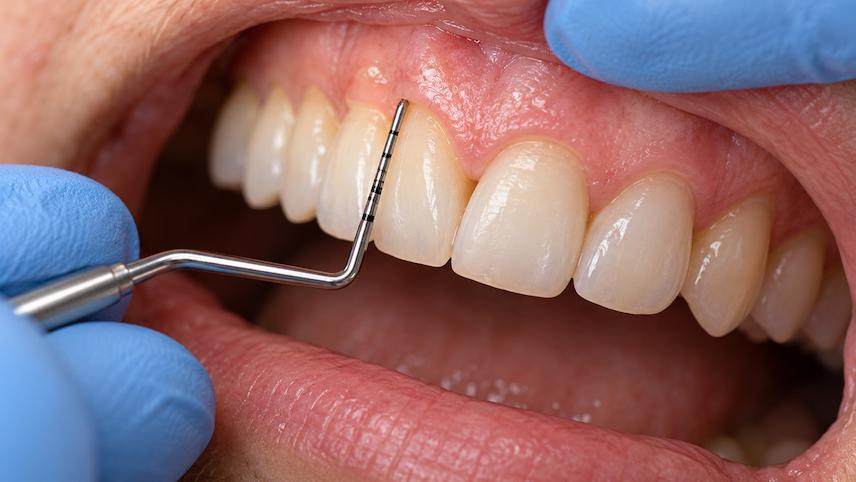
Gingivitis is inflammation of the gums. Periodontitis is a more advanced condition involving damage to the supporting tissues and bone around teeth. A dental professional may use gum measurements and other clinical findings to evaluate periodontal health.
Someone receiving periodontal treatment might need maintenance appointments more often than routine dental examinations. These visits are designed around disease management and may involve a different schedule from the patient’s regular dental checkup.
Importantly, more frequent appointments do not replace home care. Brushing, cleaning between teeth and following individualized professional advice remain important between visits.
Can You Wait Longer Than Six Months Between Dental Checkups?
Quick answer: Some adults with consistently low dental disease risk can safely follow a dentist-recommended interval longer than six months. That decision should be based on documented oral health findings and ongoing risk assessment, not simply the absence of symptoms. A longer interval may need to be shortened if your health or dental condition changes.
Some adults with consistently healthy teeth and gums may be advised to have routine dental examinations less frequently than every six months. However, longer intervals should be based on a dentist’s assessment of individual risk factors, oral health history and current clinical findings.
Tooth decay and some forms of gum disease may progress without obvious pain. A patient who has not noticed any changes may still have findings that affect their next appointment date.
If your dentist recommends a longer interval, it can be useful to ask what factors support that decision and what changes should prompt you to return earlier. This gives you a practical plan rather than relying only on a calendar reminder.
When Might a Dentist Recommend an Earlier Examination?
Quick answer: Contact a dentist before your scheduled recall if you develop tooth pain, persistent gum bleeding, swelling, a damaged tooth or another unexplained oral change. An earlier appointment may also be appropriate after dental treatment or when a health condition or medication affects your mouth. Sudden severe symptoms may require urgent assessment.
Not every new symptom indicates a serious problem, but waiting until your next routine appointment may delay an appropriate diagnosis.
Changes worth discussing with your dental team include:
- New tooth sensitivity that persists, worsens or affects one particular tooth
- Gum bleeding that continues despite appropriate daily cleaning
- A cracked or chipped tooth, or a filling or crown that becomes loose
- Persistent bad breath accompanied by gum symptoms
- Difficulty chewing, new bite discomfort or unexplained tooth mobility
- A mouth sore, lump or unusual patch that does not heal within about two weeks
Dental pain can have several causes, including decay, damaged teeth, infection or problems involving surrounding tissues. Professional examination is needed to determine the cause and appropriate next step.
For urgent dental concerns, our emergency dentistry service provides information about seeking prompt care in Downtown Vancouver.
Severe facial swelling, particularly when accompanied by fever or rapidly worsening symptoms, requires urgent assessment. If swelling is associated with difficulty breathing or swallowing, seek emergency medical care immediately.
How Often Should Children Have Dental Checkups?
Children need dental assessments appropriate to their stage of development and risk of tooth decay. Their recommended schedule may differ from an adult’s because primary teeth, developing permanent teeth and changes in oral hygiene habits create different considerations.
During childhood, dental professionals may assess tooth eruption, enamel health, cavity risk, bite development and the effectiveness of brushing with age-appropriate assistance.
Children who have experienced early cavities or have difficulty maintaining oral hygiene may benefit from closer preventive follow-up. Other children may have stable oral health and different monitoring needs.
A child’s recall schedule should not simply be copied from a parent’s schedule. Developmental needs and examination findings are more useful than a single household-wide rule.
Parents can also use dental appointments to discuss brushing supervision, fluoride toothpaste, dietary habits and changes that occur as children become more independent with oral care.
Does a Dental Cleaning Always Happen at the Same Appointment?
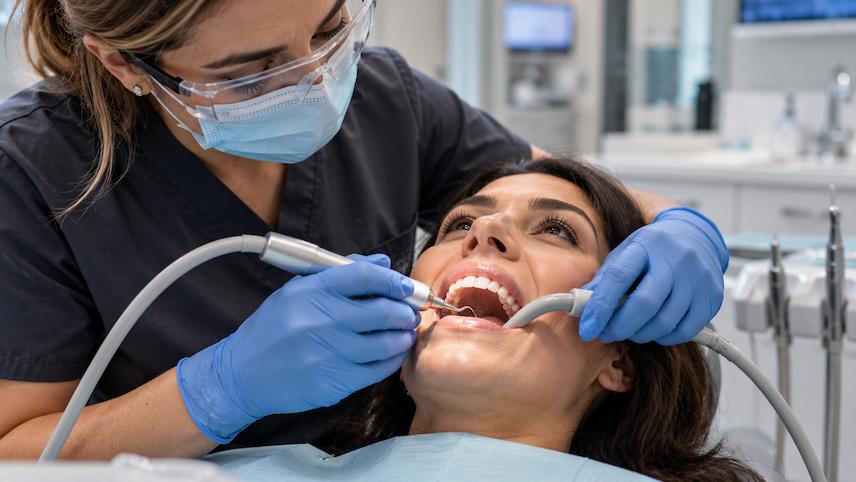
Quick answer: No. A dental examination and professional cleaning are different services, even when they are arranged for the same visit. An examination evaluates oral health and identifies diagnostic or treatment needs. A cleaning focuses on removing deposits and supporting gum health. The appropriate timing and combination depend on clinical needs and appointment arrangements.
During a dental examination, the dentist may assess teeth, gums, existing restorations, bite concerns and other oral tissues. Diagnostic imaging may be recommended when the clinical findings and dental history support its use.
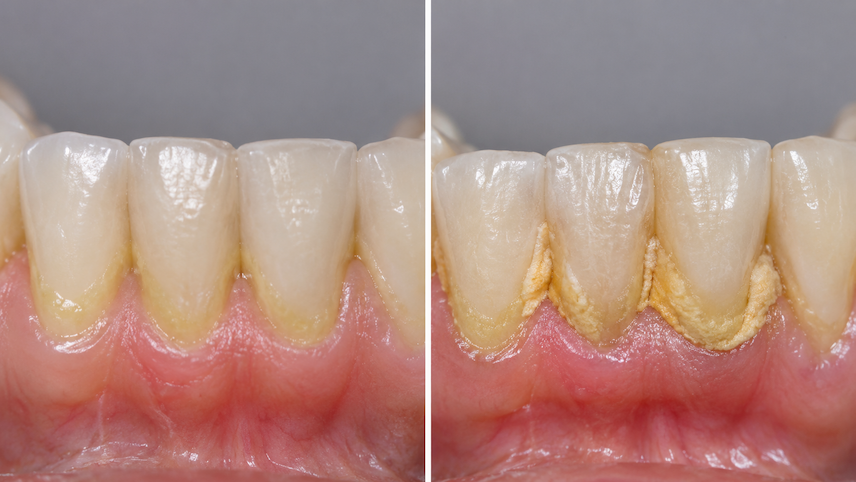
A professional hygiene appointment typically involves removing plaque and hardened deposits called tartar, also known as calculus. The dental hygienist may also provide tailored advice on brushing and interdental cleaning.
If you have periodontal disease, the recommended cleaning or maintenance schedule may be different from your examination schedule. Certain conditions also require treatment beyond a routine cleaning.
At Vancouver Stadium Community Dentist, we offer both dental examinations and professional dental hygiene services. When arranging an appointment, ask which services are planned and whether additional visits may be needed.
Do You Need Dental X-Rays at Every Checkup?
Quick answer: No. Dental X-rays are not automatically necessary at every routine checkup. Your dentist considers your dental history, symptoms, clinical examination and the information needed for diagnosis or treatment planning. Different patients may require different imaging intervals, and some appointments may not require new images.
X-rays can reveal certain problems that are difficult to identify through visual examination alone, such as decay between teeth or changes affecting bone around the teeth.
Dental X-rays should be recommended based on individual clinical needs rather than a fixed schedule. Your dentist considers your oral health, dental history and examination findings when deciding whether new images are necessary.
Dental imaging involves radiation exposure, so the expected diagnostic benefit and exposure should be considered. Updated professional guidance also emphasizes selecting images according to clinical indications rather than taking them routinely without an identified need.
If X-rays are recommended, you can ask what the images will help evaluate, whether previous images are sufficient and how the findings could affect your care.
Can Pregnancy, Medications or Medical Conditions Change Your Dental Schedule?
Changes in your overall health can affect oral health and may influence when a dentist recommends an examination or additional preventive care.
For example, hormonal changes during pregnancy can increase gum sensitivity and susceptibility to inflammation. Pregnancy itself does not mean everyone needs a different fixed recall interval, but new bleeding, discomfort or other concerns should be assessed rather than automatically postponed.
Some medications and medical conditions can reduce saliva production. Saliva helps protect teeth by washing away food debris and buffering acids. Persistent dry mouth may increase the risk of cavities and make preventive planning more important.
Conditions or treatments affecting immune function, healing or oral tissues may also require coordination between dental and medical professionals.
Tell your dental team about relevant changes in your health, pregnancy status, medications and supplements. Do not stop a prescribed medication or change medical treatment solely to address a dental concern without speaking to the appropriate healthcare professional.
What Can You Do Between Dental Checkups?
Everyday prevention remains important regardless of whether your next examination is scheduled in three, six or more months.
The Canadian Dental Association recommends a consistent oral hygiene routine that includes brushing twice daily with fluoride toothpaste and cleaning between teeth. Your dentist or hygienist can recommend techniques and products suited to your needs.
Useful habits include:
- Brush thoroughly twice a day using a soft-bristled toothbrush and fluoride toothpaste.
- Clean between your teeth daily using floss or another suitable interdental cleaning tool.
- Limit frequent sugary snacks and drinks, particularly between meals.
- Avoid tobacco products and discuss cessation support if needed.
- Pay attention to persistent changes in your teeth, gums or mouth.
- Follow any specific instructions provided after dental treatment or periodontal care.
Good oral hygiene can reduce risk, but it cannot guarantee that cavities or gum disease will never develop. Professional assessments provide information that home care alone cannot always reveal.
How Can You Plan Your Next Dental Visit?
If you are unsure when you should return, start with your most recent dental assessment rather than guessing based on how long it has been since your last cleaning.
You can ask your dentist:
- What is my current risk of cavities or gum disease?
- Why is this recall interval appropriate for me?
- Are there specific areas of my mouth we are monitoring?
- Do I need a separate hygiene or treatment appointment?
- What symptoms should prompt me to contact you sooner?
These questions are particularly useful if you have recently changed dentists, moved to Vancouver or have not had a dental examination for several years. Previous records, where available, may help your dental team understand your history.
Dental insurance coverage may affect appointment costs, but it should not determine your clinical recall schedule. If your plan covers fewer examinations or cleanings than your dentist recommends, ask about the reasons for the recommended care, expected fees and available coverage before making a decision.
Find the Right Dental Checkup Schedule for You
Your next dental examination should reflect your individual oral health needs, not simply a standard calendar interval. At Vancouver Stadium Community Dentist, we provide dental checkups for patients in Downtown Vancouver and can discuss your examination findings and appropriate follow-up care.
Contact our dental team to arrange your next checkup and discuss a schedule suited to your needs.
This article provides general educational information and does not replace an individualized dental examination, diagnosis or treatment recommendation.