Can Gingivitis Improve Without Permanent Gum Damage?
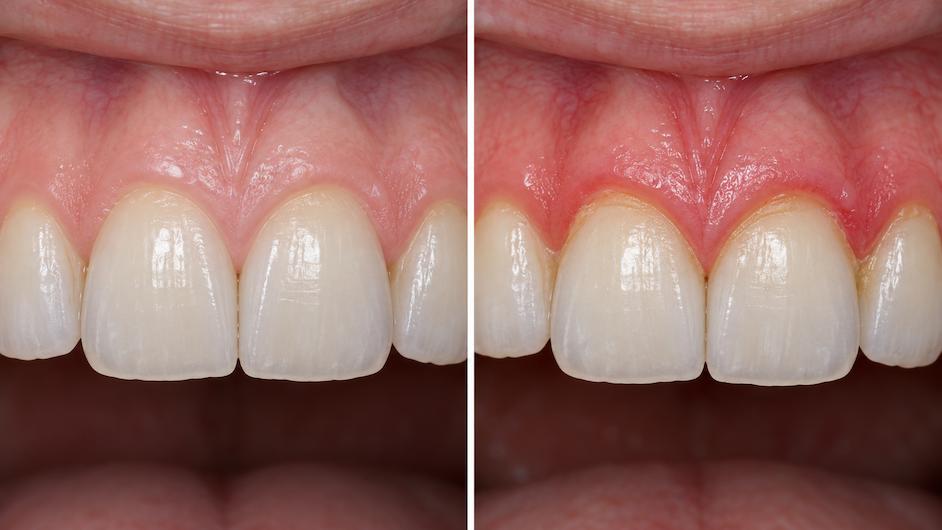
Quick answer: Yes. Gingivitis can usually resolve without permanent gum damage when inflammation is controlled before periodontal attachment or bone loss develops. Effective plaque removal, appropriate professional cleaning, and consistent home care can restore gum health. However, bleeding or swelling alone cannot establish whether permanent damage is already present. A dental examination is needed to make that distinction.
Gingivitis is inflammation of the gum tissue around your teeth. Unlike periodontitis, gingivitis itself does not cause the progressive loss of the connective tissue attachment or bone supporting the teeth. However, gum inflammation can also occur in people who have already experienced periodontal tissue loss, including those with previously treated periodontitis.
That distinction is important because the inflammation associated with gingivitis can improve, while bone and attachment loss from periodontitis generally cannot be fully restored through routine cleaning and brushing. Even when periodontitis is present, treatment can help control the disease and protect the remaining supporting tissues.
What Causes Gingivitis?
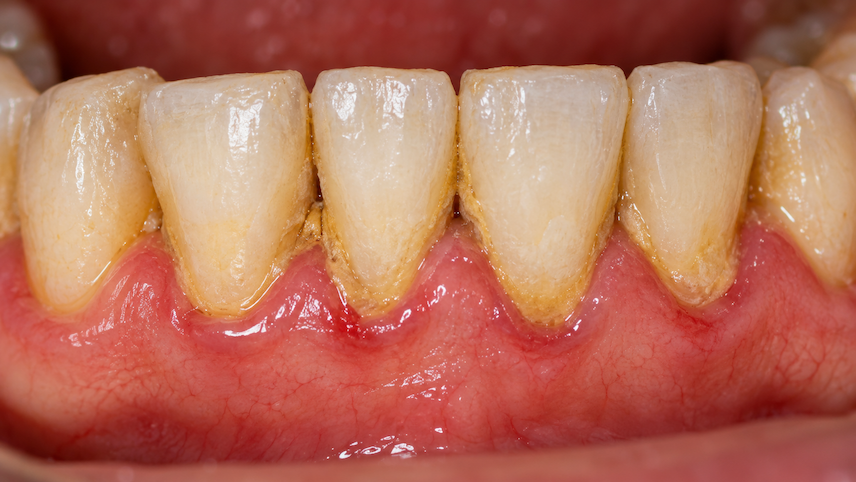
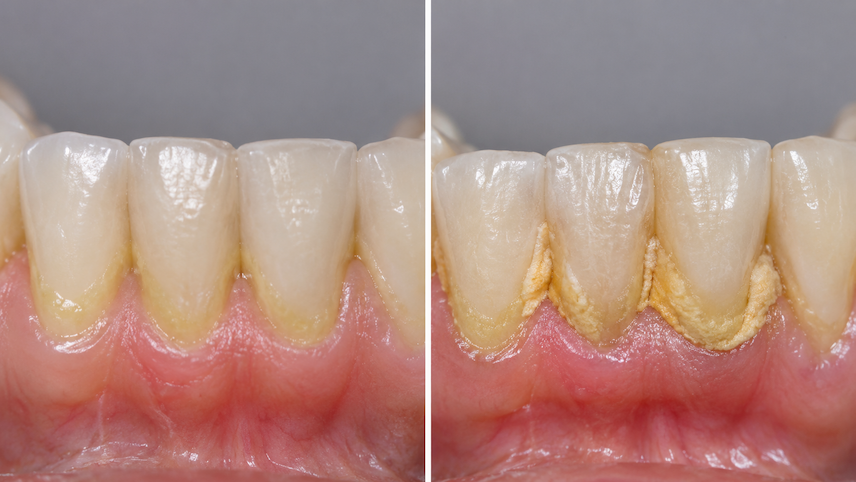
The most common cause of gingivitis is dental plaque buildup along the gumline. Plaque is a sticky bacterial film that continually develops on teeth. When it is not removed effectively, the bacteria and the body’s inflammatory response can irritate the surrounding gum tissue.
Over time, plaque can harden into calculus, also called tartar. Unlike soft plaque, tartar cannot be removed with an ordinary toothbrush or dental floss. Its rough surface can make it more difficult to keep the surrounding area clean.
Factors That Increase the Risk of Gingivitis
Although plaque is the main contributing factor, several circumstances can make gum inflammation more likely or harder to control:
- Inconsistent oral hygiene: Missing areas along the gumline or between teeth allows plaque to accumulate.
- Smoking and tobacco use: Tobacco is strongly associated with periodontal disease and can affect the gums’ inflammatory and healing responses.
- Diabetes: Poorly controlled blood glucose can increase susceptibility to gum inflammation and more severe periodontal problems.
- Hormonal changes: Changes during puberty and pregnancy can increase the gums’ inflammatory response to plaque.
- Certain medications: Some medications can contribute to gum enlargement or dry mouth, making plaque control more challenging.
- Hard-to-clean areas: Crowded teeth, orthodontic appliances, and certain dental restorations may create areas where plaque is more difficult to remove.
These factors do not mean someone will necessarily develop gingivitis. They help explain why two people with similar brushing habits may experience different levels of gum inflammation.
If you take medication or manage a condition such as diabetes, mention it during your dental visit. Never stop or change prescribed medication solely because you suspect it is affecting your gums.
What Are the Symptoms of Gingivitis?
Quick answer: Common gingivitis symptoms include gums that bleed during brushing or flossing, redness, swelling, tenderness, and sometimes persistent bad breath. Gingivitis can also occur without obvious discomfort. These symptoms suggest gum inflammation but do not confirm its cause or severity. A dental professional can assess whether the problem is gingivitis, periodontitis, or another condition.
Different symptoms deserve different levels of attention. The following table explains what you might notice and an appropriate next step.
| What you notice | What it may indicate | Recommended next step |
|---|---|---|
| Bleeding during brushing or flossing | Gum inflammation, although local irritation and other causes are possible. | Continue gentle cleaning and arrange an assessment if bleeding recurs. |
| Red, puffy, or tender gums | An inflammatory response that may be associated with plaque accumulation. | Book a dental examination to identify the cause. |
| Persistent unpleasant breath | Possible plaque accumulation or gum disease, among several other causes. | Seek assessment if it continues despite appropriate oral hygiene. |
| Gums appearing to pull away from teeth | Possible recession or loss of periodontal support; not a typical finding of uncomplicated gingivitis. | Arrange a periodontal assessment. |
| Loose teeth or a changing bite | Possible advanced periodontal disease or another dental problem. | Seek prompt professional evaluation. |
| Severe swelling, fever, or pus | A possible infection requiring more urgent attention. | Seek urgent dental care. |
One important limitation is that appearance alone is not a reliable measure of periodontal health. For example, smoking can reduce visible gum bleeding even when disease is present.
If bleeding is your main concern, our guide to why gums bleed during brushing explores other possible causes and common brushing mistakes in more detail.
How Is Gingivitis Different From Periodontitis?
Quick answer: Gingivitis causes gum inflammation without new loss of the tissues supporting the teeth. Periodontitis involves damage to those supporting tissues, including periodontal attachment and bone. Gingivitis is generally reversible with appropriate care, while periodontitis can be controlled but may leave lasting tissue loss. A periodontal examination helps distinguish these conditions.
Periodontitis is not simply a more painful version of gingivitis. It involves changes beneath the gumline that may not be visible when you look in a mirror.
Why the Difference Matters
Both conditions can cause bleeding or swelling, and neither is necessarily painful in its earlier stages. Periodontitis, however, can lead to deeper periodontal pockets, gum recession, loss of supporting bone, tooth movement, and eventually tooth loss.
Gingivitis may precede periodontitis, but not everyone with gingivitis develops periodontitis. Disease progression depends on several factors, including the individual’s susceptibility, plaque exposure, smoking, diabetes, and other health considerations.
Another important distinction is that gum inflammation can occur around teeth that already have periodontal attachment loss. Improving that inflammation does not necessarily mean the underlying periodontitis has been eliminated.
For this reason, the Canadian Dental Association’s information on gum disease emphasizes identifying and managing the condition before further supporting-tissue damage occurs.
How Does a Dentist Diagnose Gingivitis?
Gingivitis is diagnosed through a clinical assessment of gum inflammation and periodontal health, rather than symptoms alone. A dentist or dental hygienist examines the gums and evaluates whether there are signs of damage to the supporting tissues.
Depending on your clinical needs, an assessment may include:
- Reviewing your health history: Your dental professional asks about gum symptoms, tobacco use, medications, diabetes, and other relevant health factors.
- Examining the gums and teeth: They look for plaque, tartar, swelling, bleeding, recession, and areas that may be difficult to clean.
- Periodontal probing: A small calibrated instrument measures the spaces between the teeth and gums and helps identify bleeding and possible periodontal pockets.
- Evaluating supporting tissues: Dental X-rays may be recommended when clinically indicated to help assess bone levels and other findings that cannot be identified through visual inspection alone.
Periodontal charting records measurements and clinical observations around individual teeth. These findings help determine whether the inflammation is limited to gingivitis or whether there is evidence of periodontitis.
A deeper measurement does not automatically mean someone has periodontitis. Swollen gums can create increased probing depths without actual attachment loss. Clinicians interpret probing measurements alongside bleeding, attachment levels, radiographs when needed, and other examination findings.
The examination also helps identify other explanations for gum changes, such as traumatic brushing, local irritation, or medication-related gum enlargement.
How Is Gingivitis Treated?
Quick answer: Gingivitis treatment focuses on controlling bacterial plaque and reducing gum inflammation. This commonly involves professional removal of plaque and tartar, improvements to brushing and interdental cleaning, and follow-up when necessary. The appropriate treatment depends on examination findings. Deeper periodontal therapy may be required if periodontitis is diagnosed rather than uncomplicated gingivitis.
Professional Dental Cleaning
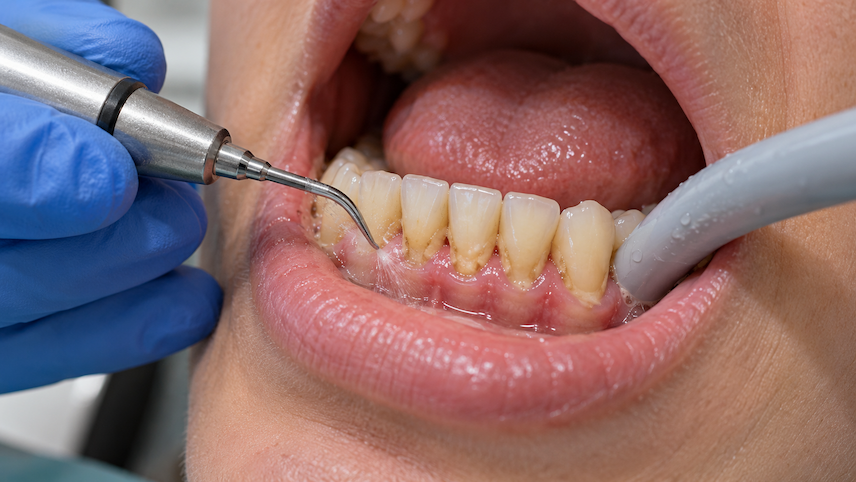
Professional cleaning, often called scaling, removes plaque and hardened deposits from areas that home cleaning cannot adequately reach.
The dentist or dental hygienist may also identify specific areas where plaque repeatedly accumulates, such as behind lower front teeth, between crowded teeth, or near orthodontic appliances.
At Vancouver Stadium Community Dentist, our dental hygiene and cleaning services include professional cleaning, oral health evaluation, and guidance for maintaining healthy teeth and gums.
Routine scaling should not be confused with scaling and root planing for periodontitis. The latter is a more extensive periodontal treatment directed at affected root surfaces and periodontal pockets when clinically indicated.
Personalized Home-Care Instructions
A dental professional can help you improve the cleaning technique and choose tools that suit the spaces between your teeth.
For example, traditional floss may work well where teeth contact tightly, while an appropriately sized interdental brush may be more useful in certain larger spaces. Orthodontic appliances, bridges, and other restorations can require additional cleaning aids.
Some patients may be advised to use a therapeutic mouth rinse for a specific reason. However, mouthwash is not a substitute for mechanical plaque removal, and medicated rinses should be used according to professional advice.
Reassessment and Additional Treatment
After treatment, changes in bleeding, swelling, and plaque levels help determine whether the gums are responding. Persistent inflammation may prompt reassessment of cleaning effectiveness, local contributing factors, or other medical and dental conditions.
If periodontal attachment loss or significant bone loss is identified, treatment may involve more extensive periodontal care or referral to a periodontist.
There is no single cleaning schedule or number of appointments that guarantees healthy gums for everyone. Recommendations should reflect the clinical findings and individual risk factors.
What Can You Do at Home to Improve and Prevent Gingivitis?
Consistent plaque control is the foundation of healthy gums. The goal is to clean the gumline and spaces between teeth effectively without damaging the surrounding tissues.
- Brush twice daily: Use a soft-bristled toothbrush and fluoride toothpaste. Brush for approximately two minutes, paying attention to the gumline and all tooth surfaces.
- Clean between your teeth every day: Use floss or another interdental cleaning tool appropriate for your teeth. Move gently rather than forcing the device into the gums.
- Check commonly missed areas: Pay attention to back molars, crowded teeth, and spaces around fixed appliances or restorations.
- Avoid aggressive scrubbing: Excessive pressure does not clean more effectively and may contribute to gum irritation or tooth-surface wear.
- Reduce tobacco exposure: If you smoke or use tobacco, ask a healthcare professional about cessation support.
- Maintain appropriate dental visits: Follow an examination and cleaning schedule based on your oral health rather than assuming the same interval is suitable for everyone.
If you have recently started cleaning between your teeth more consistently, some inflamed areas may bleed at first. Continue with gentle technique, but do not dismiss bleeding that persists, worsens, or occurs spontaneously.
Do not attempt to scrape tartar from your teeth with household tools, sharp instruments, or online dental scraping kits. These can damage gums and tooth surfaces. Hardened deposits should be removed professionally.
Can Gingivitis Come Back After Treatment?
Yes. Gingivitis can return if plaque repeatedly accumulates, even after gum inflammation has resolved following treatment. A successful cleaning addresses existing deposits, but plaque begins forming again as part of normal daily oral conditions.
Recurrence does not automatically indicate that the original treatment failed. It may mean that certain areas remain difficult to clean, an oral hygiene routine needs adjustment, or contributing risk factors require additional attention.
People with a history of periodontitis need particular care when interpreting recurrent bleeding. New inflammation may occur around teeth that have already lost supporting tissue, making professional periodontal maintenance and monitoring important.
Rather than relying only on whether the gums look healthier, follow-up assessments can help establish whether inflammation is controlled and supporting tissues remain stable.
When Should You See a Dentist About Your Gums?
Quick answer: Arrange a dental assessment if your gums bleed repeatedly, remain swollen or tender, or show unexplained changes in appearance. Seek prompt care for loose teeth, worsening pain, or significant gum changes. Severe swelling, fever, pus, or difficulty opening your mouth may require urgent evaluation. Difficulty breathing or swallowing requires immediate emergency medical care.
You do not need to wait for severe discomfort to arrange an appointment. Early periodontal problems may be painless, and persistent symptoms deserve attention even when everyday eating and brushing feel normal.
Tell your dental professional if you are pregnant, have diabetes, use tobacco, or have recently started medication that may affect your oral health. This information can help guide the assessment and care recommendations.
If your gums have been changing gradually, it may be helpful to remember when you first noticed the symptoms, whether they affect one area or several, and whether bleeding occurs spontaneously or only during cleaning.
Take the Next Step Toward Healthier Gums
If you have noticed bleeding, swelling, or persistent changes in your gums, a dental examination can help identify the cause and determine the appropriate care.
At Vancouver Stadium Community Dentist in Downtown Vancouver, we provide preventive dental hygiene services and oral health evaluations. Contact our dental team to arrange an appointment and discuss your gum health concerns.
This article provides general oral health education and does not replace an individual dental examination, diagnosis, or treatment recommendation.