What Can a Custom Night Guard Provide That an OTC Guard May Not?
Quick answer: A custom night guard is made to fit an individual’s teeth and is selected with professional dental assessment. A dentist can evaluate tooth wear, existing dental work and bite-related concerns, then check the appliance and make adjustments when appropriate. An over-the-counter night guard is generally less expensive upfront but offers more limited personalization and may not fit every mouth comfortably.
The important distinction is not simply whether one guard feels softer or looks more sophisticated. It is whether the appliance is suitable for your dental condition and can be evaluated if problems develop.
A professionally fitted night guard may help protect teeth from damage caused by grinding or clenching during sleep. However, wearing a night guard does not necessarily stop the grinding or clenching itself.
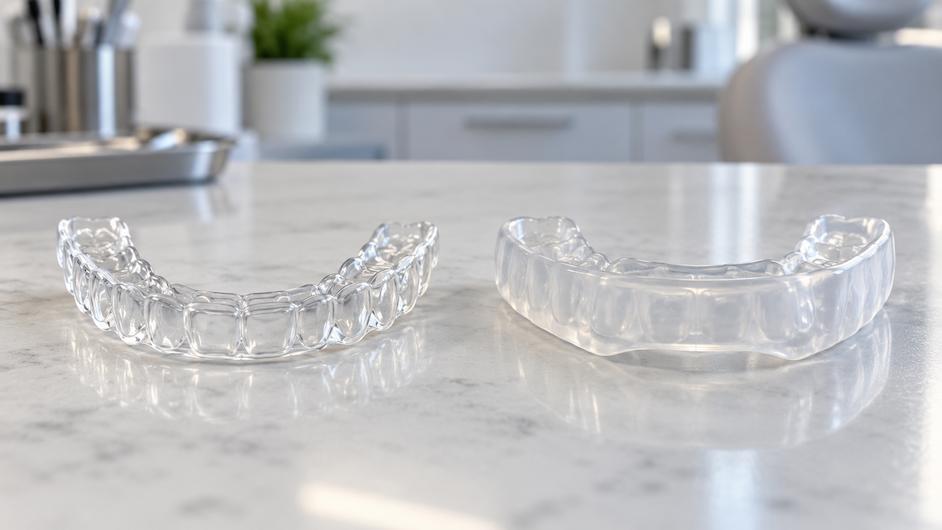
Custom vs Over-the-Counter Night Guards: Side-by-Side Comparison
The following comparison outlines practical differences between professionally fitted appliances and common retail guards. Specific features vary by product, design and individual needs.
| Consideration | Custom Night Guard | Over-the-Counter Night Guard |
|---|---|---|
| Fit | Made from an individual impression or digital scan of the teeth. | Uses a standard shape, adjustable design or heat-moulded material. |
| Professional assessment | Can be selected after evaluating the teeth, symptoms and bite. | Usually purchased without a dental examination. |
| Materials and design | Material, thickness and design depend on clinical requirements. | Materials and shapes are limited to available retail products. |
| Comfort | Individual fit and professional adjustments may improve wearability. | Comfort varies, and some users experience bulkiness or pressure. |
| Cost | Generally higher initial cost, with fees depending on the appliance and provider. | Generally lower initial purchase cost. |
| Adjustments | A dentist can assess the fit and adjust or replace the appliance when appropriate. | Modification options depend on the product; professional follow-up is not built into the purchase. |
| Suitability | May be preferable when individualized design or professional monitoring is important. | May be considered in selected situations, but suitability is not guaranteed. |
Neither category guarantees comfort or a particular treatment outcome. A poorly fitted custom appliance can still require correction, while some retail guards may feel acceptable to individual users. Product-specific instructions and the condition of your teeth also matter.
What Types of Over-the-Counter Night Guards Are Available?
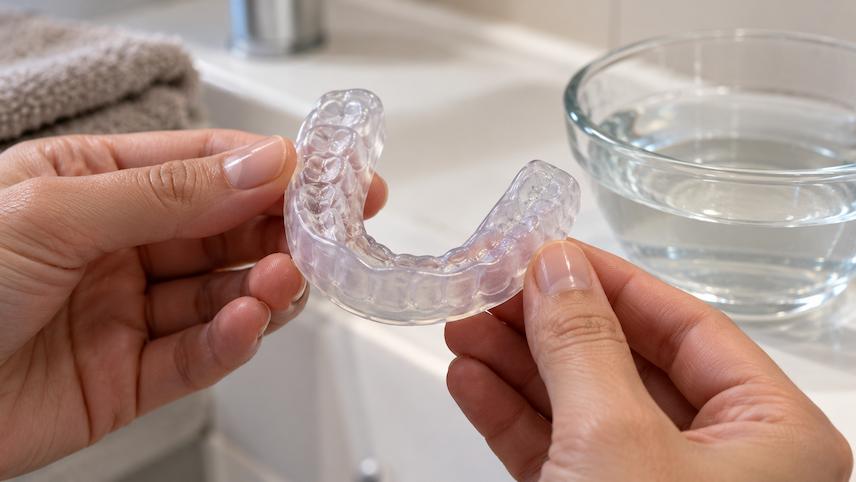
Not every over-the-counter night guard is constructed the same way. Understanding the available designs helps explain why fit and comfort can vary considerably.
Boil-and-Bite Night Guards
These guards use a thermoplastic material that softens when heated according to the manufacturer’s instructions. The user then forms the material around the teeth and allows it to cool.
Although this provides some personalization, the result depends on the material, product design and moulding process. It is not equivalent to a guard fabricated using professional dental records. Uneven moulding may leave uncomfortable areas or inadequate retention.
Ready-to-Wear Night Guards
These products arrive in a predetermined shape and generally require little or no moulding. Their convenience is appealing, but a standard shape cannot account for the full range of tooth arrangements, jaw sizes and dental restorations.
A guard that shifts during sleep, presses against specific teeth or does not remain securely in place deserves attention rather than continued use simply because it is labelled one-size-fits-most.
Adjustable Retail Guards
Some retail products use adjustable trays, pads or other components rather than full-arch moulding. Their coverage and contact patterns differ from conventional guards.
It is important to distinguish an appliance intended for nighttime grinding from a sports mouthguard or a device marketed for snoring. These products have different purposes and should not automatically be substituted for one another.
What Are the Possible Fit Limitations of OTC Night Guards?
Quick answer: An over-the-counter night guard may feel bulky, move during sleep, create uneven pressure or irritate the gums. Some designs may not accommodate crowns, bridges, orthodontic appliances or irregular tooth positions appropriately. If a guard causes pain, persistent pressure, bite changes or difficulty wearing it securely, stop using it and consult a dentist.
Fit involves more than how tightly a guard holds onto the teeth. Dentists also consider how the upper and lower teeth contact an appliance, whether it places unwanted pressure on individual teeth and whether existing restorations affect the design.
A guard that feels comfortable when first inserted may still cause difficulties after several nights. Conversely, an unfamiliar sensation on the first night does not automatically mean an appliance is harmful. What matters is whether it remains comfortable, stable and free from concerning changes.
If you have recently received a crown, bridge, implant restoration or orthodontic treatment, ask your dentist whether your existing guard still fits appropriately. Changes to the teeth can affect how an appliance seats and functions.
Is a Custom Night Guard Better for Teeth Grinding or Clenching?
Quick answer: A custom night guard may be more appropriate when a dentist identifies significant tooth wear, damaged restorations, complex dental needs or problems with a retail guard. However, research has not established that custom guards consistently eliminate grinding or produce better outcomes for every patient. The choice depends on clinical findings, appliance design and individual tolerance.
Sleep bruxism involves repetitive jaw-muscle activity during sleep. Some people grind their teeth audibly, while others primarily clench without making noticeable sounds. Bruxism can also occur while awake, which may call for different behavioural approaches.
A night guard is primarily a protective intervention. It separates the biting surfaces and may help reduce direct tooth-to-tooth contact. It does not necessarily address contributing factors such as stress, medication effects or certain sleep-related conditions.
Research has not established that night guards consistently stop teeth grinding or relieve associated symptoms. Their primary purpose is to help protect teeth from damage, and the potential benefits depend on the individual and the appliance used.
For someone with otherwise healthy teeth who is exploring an appliance as a precaution, the decision may be different from that of someone experiencing repeated fractures, substantial wear or discomfort. The examination findings are more informative than a general label such as “best over-the-counter night guard for grinding.”
Who Might Need Another Option Instead of a Retail Night Guard?
An OTC night guard is not automatically the right starting point for every person who suspects nighttime clenching. Certain dental and medical circumstances call for a more individualized assessment.
- Extensive dental work: Multiple crowns, bridges, implant restorations or other appliances may require special consideration of fit and contact.
- Ongoing orthodontic treatment: Tooth movement and existing aligners or retainers can affect whether another appliance is compatible.
- Significant jaw symptoms: Pain, restricted opening or recurrent locking needs evaluation rather than an assumption that a night guard will resolve it.
- Suspected sleep-related breathing problems: Loud snoring, witnessed pauses in breathing or marked daytime sleepiness should prompt medical assessment for possible sleep apnea.
- Children and adolescents: Growing teeth and changing bites make professional advice particularly important before using a retail appliance.
Some people with jaw pain have a temporomandibular disorder (TMD), which affects the jaw joints, muscles or related structures. Teeth grinding and TMD can coexist, but they are not interchangeable diagnoses.
Night guards do not reliably relieve TMD-related jaw pain and should not be used to permanently change how the teeth fit together. Persistent jaw pain or locking should be evaluated by a dentist.
A conventional guard for grinding is also not a treatment for obstructive sleep apnea. Sleep-related breathing concerns may require assessment by an appropriate medical professional and, where indicated, a different type of prescribed oral appliance.
How Should You Compare Cost and Long-Term Value?
The purchase price is only one consideration when comparing an OTC mouth guard with a custom dental appliance.
Retail guards generally have a lower upfront price and are relatively easy to replace. A custom guard involves professional services and individual fabrication, which commonly increases the initial cost.
Long-term value depends on several factors:
- Whether the appliance fits well enough to be worn consistently.
- Whether its material and design are appropriate for the individual.
- How quickly the appliance becomes worn or damaged.
- Whether adjustments, replacement or additional assessment are needed.
- Whether a private dental benefits plan provides coverage.
A more expensive appliance is not automatically more economical over time. Similarly, repeatedly replacing an unsuitable retail guard may not be a practical solution.
For patients in British Columbia, insurance coverage varies by plan, eligibility, clinical documentation and the applicable fee arrangements. Before proceeding with a custom appliance, ask for the expected fees and whether an estimate can be submitted to your insurer. Do not assume that every night guard is covered or that reimbursement will be complete.
It is also worth asking what follow-up is included, because the total cost of care may involve more than fabrication alone.
Which Symptoms Warrant a Dental Examination Before Choosing a Guard?
Quick answer: Arrange a dental assessment if you notice worn or chipped teeth, recurring tooth sensitivity, unexplained jaw pain, frequent morning muscle soreness or reports of nighttime grinding. These signs can have several causes and do not confirm bruxism by themselves. A dentist can examine your teeth and jaw before recommending whether any appliance is appropriate.
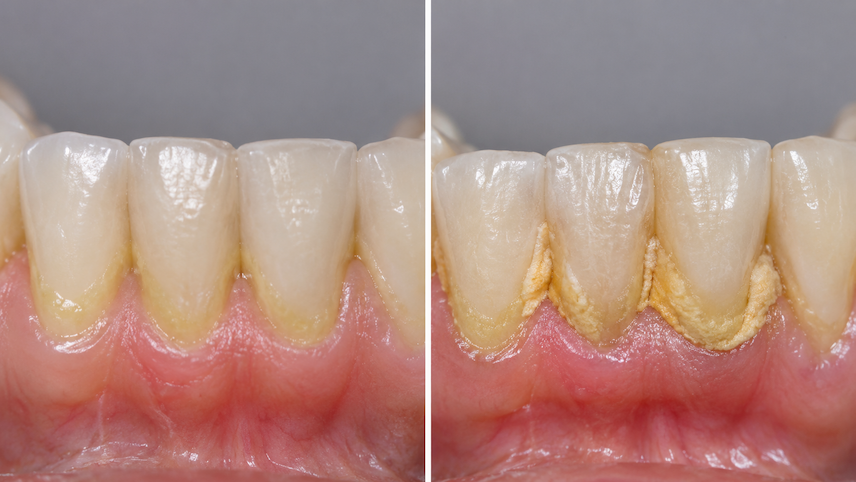
A dental examination may identify problems that a retail purchase cannot assess, such as a cracked tooth, an unstable restoration or another explanation for sensitivity. A clinician may also ask about symptoms, sleep habits, medications and changes in dental history.
If you have never noticed grinding but have developed sensitivity in one tooth, do not assume a night guard is the answer. Localized tooth pain can require evaluation for decay, fractures or other dental conditions.
Seek prompt dental advice for a newly broken tooth, worsening pain or a damaged restoration. Severe facial swelling, difficulty breathing or difficulty swallowing requires urgent medical attention rather than management with a night guard.
For a closer look at the warning signs, read our guide to signs you might be grinding your teeth at night.
When Should You Stop Wearing an Uncomfortable Night Guard?
Quick answer: Stop wearing a night guard and contact your dentist if it causes pain, persistent gum irritation, new tooth pressure, jaw discomfort or a noticeable change in how your teeth meet. Do not continue wearing a damaged or poorly fitting appliance or attempt major alterations yourself. A dentist can assess whether adjustment, replacement or another approach is needed.
Look for signs that the appliance has changed, including cracks, sharp edges, distortion or a fit that has become noticeably tighter or looser. These changes may affect comfort and suitability.
Do not force a guard over teeth or restorations when it no longer seats normally. Avoid cutting, grinding or reshaping a professionally made guard unless your dentist has specifically instructed you to do so.
If you have an OTC product, follow its manufacturer’s cleaning, storage and replacement instructions. Some materials can become distorted by excessive heat, while cleaning products that are safe for one appliance may not be suitable for another.
For any guard, remove it for cleaning and examine it regularly for damage. Follow the relevant instructions for your appliance rather than assuming every night guard can be cleaned or stored in the same way.
What Happens During a Professional Night Guard Assessment?
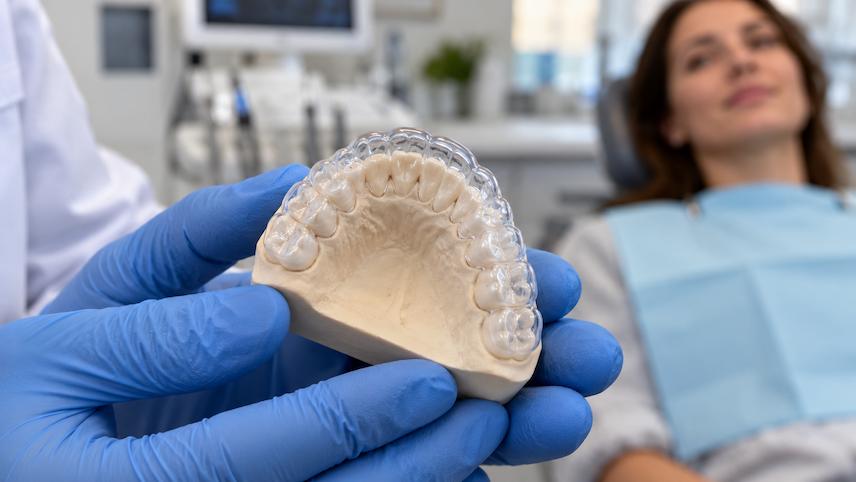
A professional assessment starts with determining whether a guard is indicated, rather than choosing a material solely because it is marketed for severe grinding.
Depending on your circumstances, a dentist may review your medical and dental history, examine tooth wear and restorations, assess jaw symptoms and discuss concerns related to sleep or clenching habits.
If a custom appliance is recommended, dental records such as an impression or digital scan may be used to make an appliance that fits your teeth. The dentist may check its retention, comfort and biting contacts, and arrange adjustments or reassessment as needed.
This describes a general dental approach. Individual steps, materials and follow-up arrangements vary among dental practices and patients.
At Vancouver Stadium Community Dentist, we offer custom night guards in Downtown Vancouver. If you are unsure whether a retail guard is suitable, our dental team can discuss your concerns and assess your oral health before recommending an appropriate next step.
Can Daily Habits Help Alongside a Night Guard?
A night guard is not the only consideration when managing teeth grinding or clenching. If you clench your teeth while awake, learning to recognize when your jaw muscles are tense may help you interrupt the habit.
Consistent sleep routines, stress management and reducing caffeine or alcohol intake may also be helpful for some people. These strategies do not replace a dental examination when you have tooth damage, persistent pain or other concerning symptoms.
Get Advice About Night Guards in Downtown Vancouver
If you are experiencing signs of grinding, have concerns about an over-the-counter guard or would like to explore a custom option, we can help you understand the next steps.
Contact Vancouver Stadium Community Dentist to book a dental assessment and discuss whether a night guard is appropriate for your needs.
This article provides general dental education and does not replace an individual examination, diagnosis or treatment recommendation from a qualified healthcare professional.