

Wisdom teeth show up later than the rest, usually between the ages of 17 and 25. For some people they cause no problems at all. For others, they cause pain, infection, or shift the rest of the smile.
The decision to remove them, keep them, or watch them is rarely one-size-fits-all. It depends on how they grow in, where they sit, and whether they cause symptoms now or are likely to later. If you live or work in Downtown Vancouver, here is a clear guide to deciding what to do with yours.
What are wisdom teeth and when do they cause trouble?
The basics: what they are
Wisdom teeth are the third and last set of molars at the very back of the mouth. Most people have four of them, two on top and two on the bottom, although some have fewer or none.
Because they erupt last, there is often not enough room for them. They may grow in sideways, only partly come through the gum, or stay completely hidden under the bone. The technical term for a wisdom tooth that cannot fully erupt is impacted.
When they are fine to keep
Not every wisdom tooth needs to be removed. Many people keep theirs for life without trouble. Wisdom teeth are usually fine to keep when they:
- Come in fully and line up well with the bite
- Can be reached easily for brushing and flossing
- Are not pressing on nearby teeth or causing crowding
- Show no decay, infection, or gum issues
- Look stable on dental X-rays from year to year
If your wisdom teeth check all of those boxes, regular monitoring at routine dental exams is usually enough.
10 signs your wisdom teeth may need to come out
Trouble with wisdom teeth often shows up gradually. Here are the patterns Vancouver dentists see most often.
1. Recurring pain at the back of the jaw
A dull ache, soreness, or pressure at the very back of your upper or lower jaw is one of the most common signs. The pain may come and go for weeks or months before becoming constant.
2. Swollen, red, or bleeding gums around the back tooth
Gum inflammation around a wisdom tooth, especially one that is only partly erupted, can be hard to clean and tends to flare up repeatedly. The gum often looks puffy, bleeds when brushed, and may form a flap of tissue over the tooth.
3. A bad taste or smell from the back of the mouth
Food and bacteria can get trapped under the gum flap of a partly erupted wisdom tooth. This often produces a bad taste or persistent bad breath that comes from one specific spot at the back of the mouth.
4. Repeated infection (pericoronitis)
Pericoronitis is the medical term for repeated infection of the gum around a partly erupted tooth. Symptoms include pain, swelling, jaw stiffness, sometimes a fever, and difficulty opening the mouth. Even when it settles down with cleaning or antibiotics, it tends to come back. Regular professional hygiene cleanings can help in mild cases, but recurring episodes usually point toward removal.
5. Difficulty opening the mouth or swallowing
If a wisdom tooth or its surrounding gum becomes inflamed enough that you cannot open wide or swallowing feels uncomfortable, it should be assessed soon. This can be a sign that infection is spreading.
6. Cavities in the wisdom tooth or the tooth in front
Wisdom teeth are difficult to brush and floss properly. They are some of the most common teeth to develop decay. The tooth directly in front of them is also at risk because food and plaque can get trapped between the two. Decay between teeth often appears on X-rays before you notice anything.
7. Crowding or shifting of your front teeth
Pressure from impacted wisdom teeth is one factor that can contribute to changes in the bite over time. While crowding has many causes, your dentist will check whether your wisdom teeth are part of the picture, especially if you previously had orthodontic treatment.
8. Cysts or changes seen on X-rays
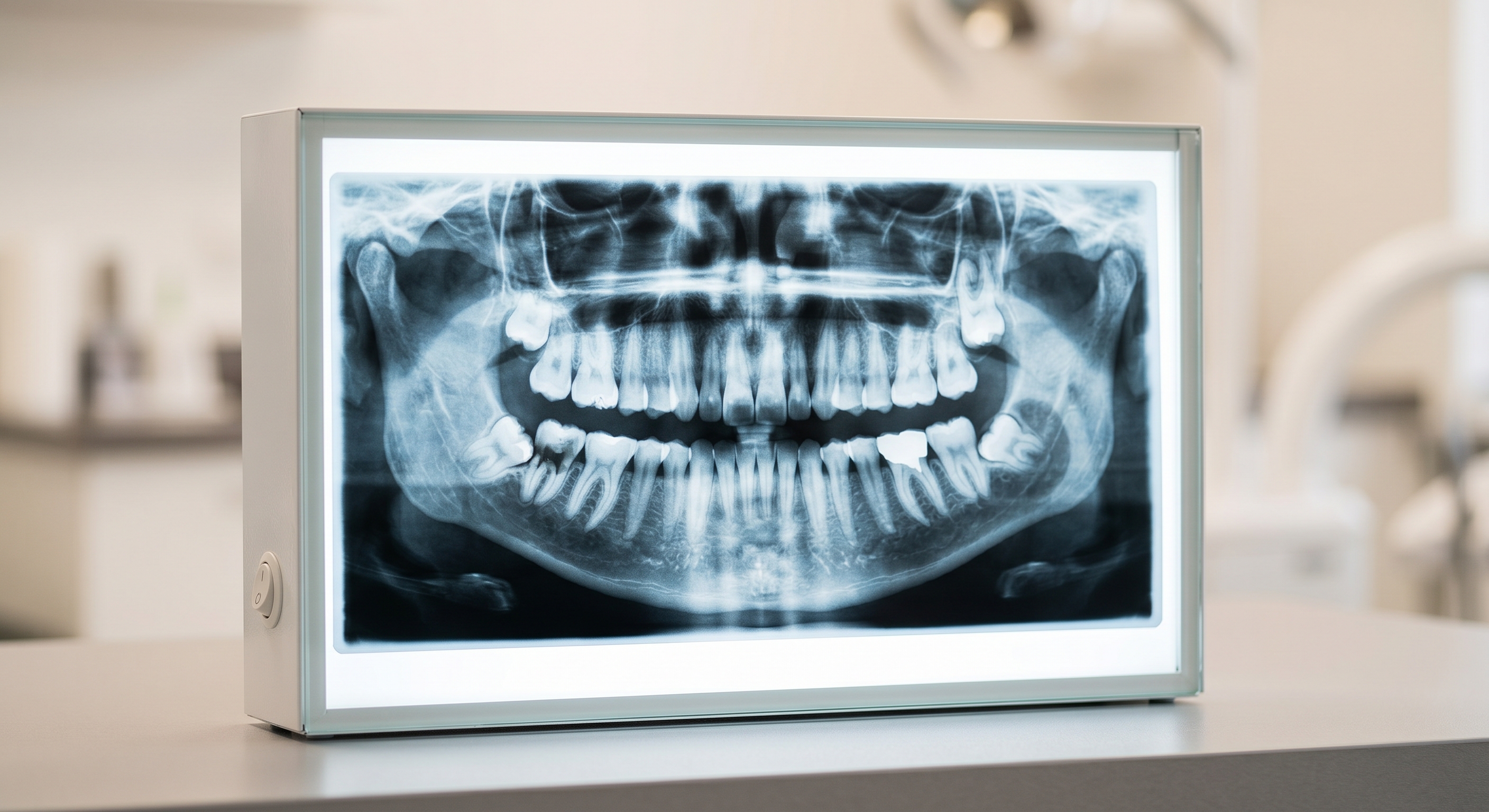
Sometimes wisdom teeth cause problems silently. A panoramic X-ray can show a cyst forming around an impacted tooth, damage to neighbouring roots, or thinning of the jawbone. These findings often lead to a recommendation for removal even when there is no pain yet.
9. Earaches, headaches, or jaw stiffness on one side
Because the back of the jaw is close to the ear and jaw joint, irritation from wisdom teeth can sometimes show up as ear pressure, one-sided headaches, or a stiff jaw. These can also have other causes, so a dental exam helps rule them in or out.
10. Food trapping that you cannot keep clean
If food keeps getting stuck around or under the gum next to a wisdom tooth, no matter how much you brush and floss, that area is at higher risk for infection and decay. Persistent food trapping is a common reason patients eventually decide on removal.
Removal vs watchful waiting
Why some wisdom teeth are removed earlier
If problems are likely, dentists often recommend removing wisdom teeth in the late teens or early twenties. The roots of the wisdom teeth are not fully formed yet at that age, which usually makes the surgery more straightforward. Younger patients also tend to heal faster. Waiting until later can still work, but the procedure may be more involved and recovery a bit longer.
This does not mean every young adult should have their wisdom teeth removed. The decision is based on the individual case, including symptoms, X-ray findings, and how easy the teeth are to keep clean. If removal is the right call, see our page on teeth extractions for an overview.
When watchful waiting is reasonable
If your wisdom teeth are healthy, fully erupted, and easy to clean, removal is often unnecessary. In these cases, your dentist will usually recommend:
- Keeping up with regular exams and cleanings
- Updating panoramic X-rays at appropriate intervals
- Mentioning any new pain, swelling, or food trapping right away
- Reviewing the situation again if your bite, gums, or oral hygiene change
What can happen if problem wisdom teeth are left alone
Healthy wisdom teeth that are monitored carefully are not the concern. The concern is wisdom teeth that already cause symptoms or show changes on X-rays. Left unaddressed, problem wisdom teeth can lead to repeated infections, decay in the wisdom tooth or the molar in front, gum disease in that area, cysts, and damage to neighbouring roots or to the jawbone. Some of these issues are easier to fix than others, which is why early evaluation matters.
When to see a dentist about your wisdom teeth
Book a visit soon if
- You have repeated pain or pressure at the back of the jaw
- The gum around a back tooth is swollen, red, or bleeds easily
- Food keeps getting trapped and you cannot keep the area clean
- You taste or smell something bad coming from one spot
- You notice your front teeth shifting
- It has been more than a year since your last dental exam or X-rays
Seek urgent care if
- You have facial swelling or fever
- You cannot open your mouth more than partway
- Swallowing or breathing feels difficult
- Pain is severe and not controlled by over-the-counter medication
These can be signs of a spreading infection. Contact us right away for emergency dentistry or seek urgent medical care.
What to expect at an evaluation and after surgery
What the evaluation looks like
A wisdom teeth evaluation is usually straightforward. Your dentist will examine the back of your mouth, check the gums, look for signs of decay or infection, and review a panoramic X-ray that shows all four wisdom teeth and their roots in relation to nearby structures. You will then have a conversation about what your dentist sees, the options available, the likely timeline, and the trade-offs of removing versus monitoring.
Comfort and sedation options
Many patients feel anxious about wisdom tooth removal, especially if they have heard stories from friends. The procedure today is usually well tolerated, with local anesthetic and, when needed, additional comfort options. If anxiety has been keeping you from getting an evaluation, talk to your dentist about sedation dentistry. Different levels of sedation are available depending on your medical history, the complexity of the case, and how nervous you feel.
What recovery is generally like
Recovery times vary, but most patients feel close to normal within 7 to 10 days after a typical wisdom tooth removal. Mild swelling and discomfort are common in the first 2 to 3 days, and softer foods are recommended through the first week. More involved cases, including deeply impacted teeth or removal of all four at once, may take a little longer. Your dentist or surgeon will give you specific aftercare instructions, which always take priority over a general guide.
Practical tips before your appointment
- Make a note of when symptoms started and what makes them better or worse.
- Keep a list of any medications or health conditions to share at your visit.
- Ask whether a panoramic X-ray will be taken at the appointment or beforehand.
- If anxiety is a factor, mention it when booking so the team can plan accordingly.
- If you ever had a reaction to anesthetic or pain medication, bring those details.
Why patients trust us with their wisdom teeth decisions
We do not push removal for every wisdom tooth. We start with a clear panoramic X-ray, walk you through what we see in plain language, and recommend removal only when the evidence supports it. If watchful waiting is the right call, we say so.
Our Downtown Vancouver clinic offers transparent fees, direct billing with most insurance providers, CDCP support where eligible, and sedation options for patients who feel anxious about extractions.
Find out where your wisdom teeth stand
Book an exam with X-rays at our Downtown Vancouver clinic. We will give you a clear answer on whether your wisdom teeth need to come out, can be monitored, or are simply fine.
Frequently asked questions
Do I have to remove my wisdom teeth?
Not always. Wisdom teeth that come in fully, line up well, and stay clean and pain-free can often be kept and monitored. Removal is recommended when they cause pain, infection, decay, gum problems, cysts, or damage to nearby teeth.
At what age should wisdom teeth come out?
If removal is recommended, it is often easier in the late teens or early twenties when the roots are not fully formed and healing is faster. Removal can still be done later when needed, but recovery may take a little longer.
How long does wisdom teeth recovery take?
Most patients feel close to normal within 7 to 10 days after a typical wisdom tooth removal. Mild swelling and discomfort are common in the first 2 to 3 days. Recovery times vary based on the case and individual healing.
Is wisdom teeth removal painful?
The procedure is done with local anesthetic, sometimes combined with sedation, so you should not feel pain during it. Mild to moderate discomfort, swelling, and bruising are normal afterward and are usually well controlled with prescribed and over-the-counter pain medication.
What happens if I leave my wisdom teeth alone?
Healthy, fully erupted wisdom teeth can often be left alone with regular monitoring. Problem wisdom teeth that are left untreated can lead to repeated infections, decay in nearby teeth, gum disease, cysts, or damage to the jawbone. Regular dental checkups help catch these issues early.
How do I know if my wisdom teeth are impacted?
Impacted wisdom teeth often cause recurring pain at the back of the jaw, swelling, food trapping, or a partly visible tooth with a gum flap over it. A panoramic X-ray is the most reliable way to confirm impaction and how it is angled in the jaw.
This article is for general information only and does not replace personal advice from your dentist or oral surgeon. If you have severe pain, facial swelling, fever, or difficulty breathing or swallowing, seek urgent medical or dental care.